

A sensory-informed, neurodiversity-affirming guide to reading your body's cues and learning to move with what arises, rather than fighting it
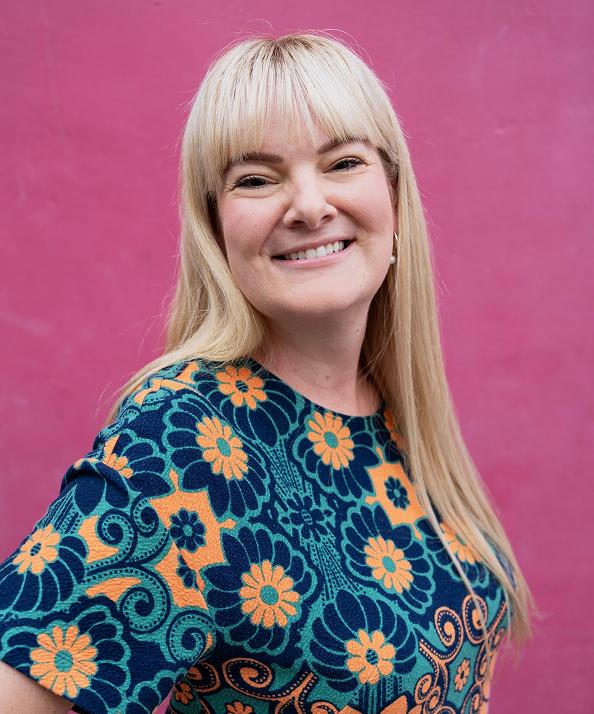
Nikki Smit
Occupational Therapist
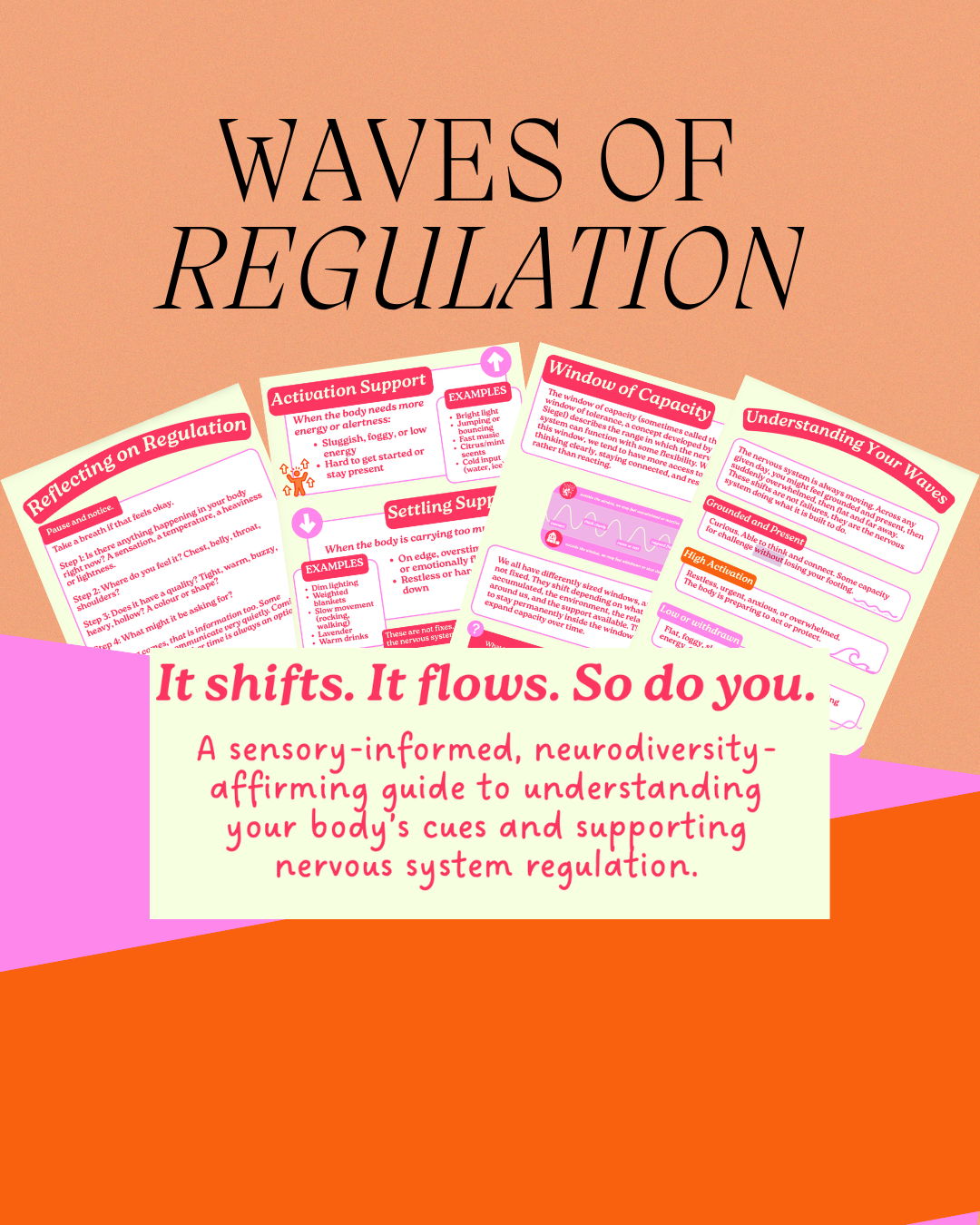
Capacity over calm. A different way of understanding your responses to stress, emotion, and the everyday.
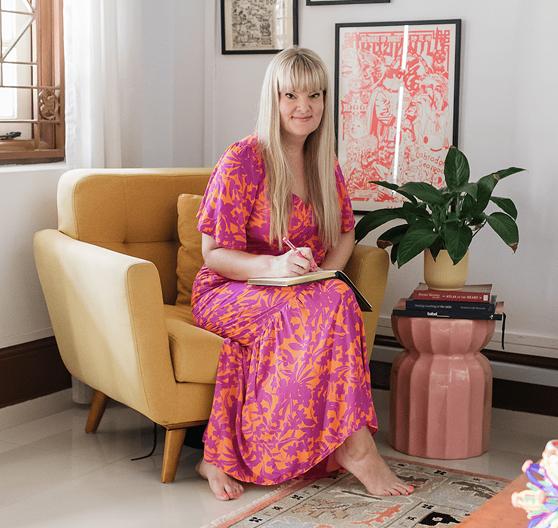
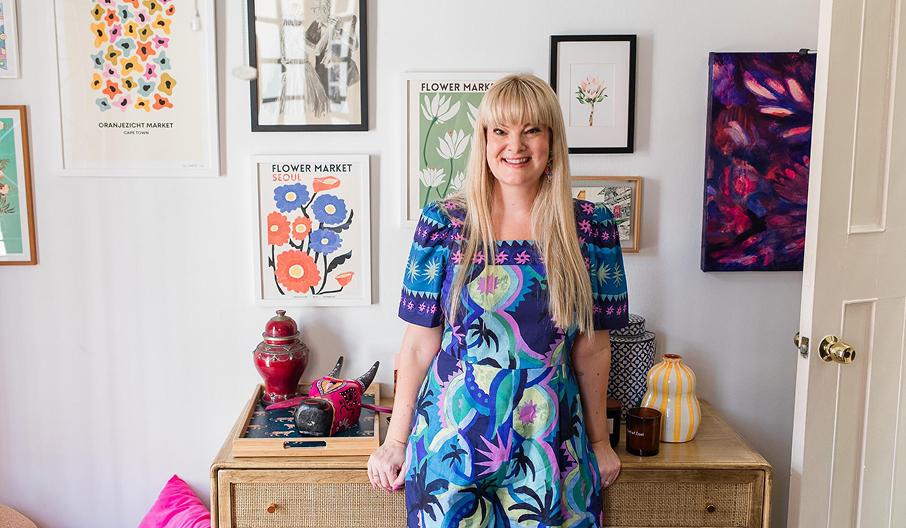
Hi, I'm Nikki. I'm an occupational therapist working at the intersection of nervous system regulation, sensory wellbeing and relationship.
Over fifteen years I've worked with children, adults, families and organisations, and I teach, speak and mentor worldwide. Whatever the setting, my aim is the same: to make complex science feel grounded, relatable and human.
Introduce Yourself
I work with and help people in lots of different ways.
Recommended reading
Pick one from each row to see a recommendation.
My Story
It's been a winding path but it's given me range.
I grew up in South Africa, somewhere colourful, messy, loud and beautiful, and it taught me early that people aren't tidy. Neither am I. I began my career as an occupational therapist supporting children, and over fifteen years the circle has kept widening: parents, teachers, therapists, adults, organisations. The setting keeps changing. What I believe doesn't. Our responses make sense, even the ones we like least. Wellbeing was never about staying calm; it's about coming back into your body, staying present as experiences rise and fall, and making a little more room for the uncomfortable each time.
I've been based in Singapore for over a decade, and these days I teach, speak and mentor around the world. What I know comes from the science, from clinical practice, and from lived experience, and I've long stopped ranking those. I hold it all lightly, because I haven't arrived. I live inside a nervous system too, still practising, still surprised. If something here helps you meet yourself, or someone you love, with more curiosity and less blame, it's doing what it was made to do.
Work Library
I make different types of work across different formats for different audiences. Search by theme or format and explore different topics relating to my practice.
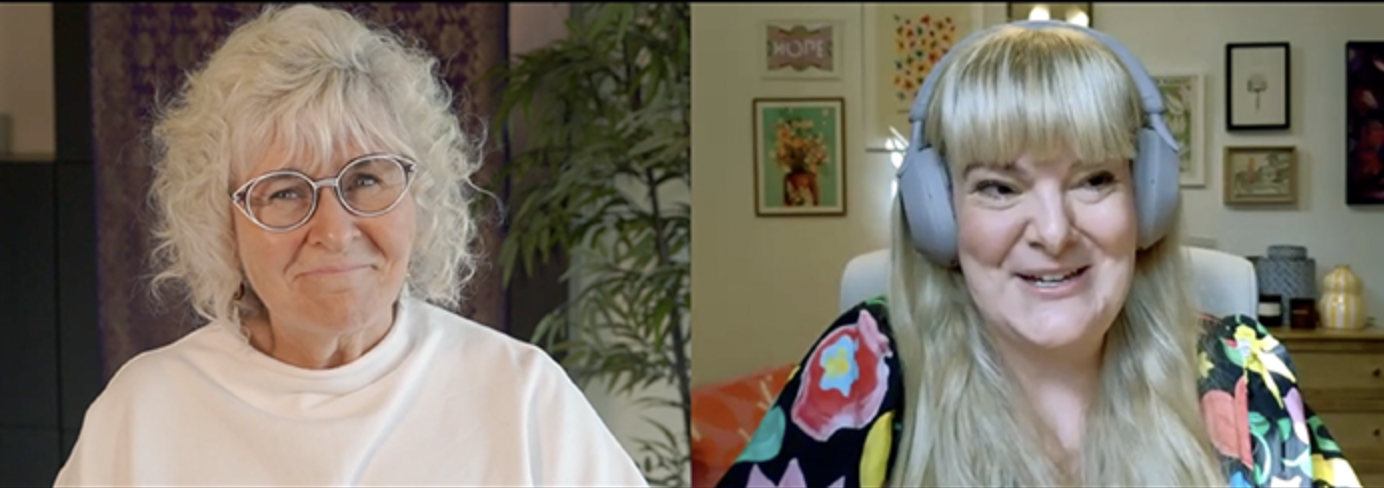
In conversation with Kim Barthel on holding acceptance and growth at once, the limits of diagnostic labels, and why neurodivergence asks for nuance rather than neat answers
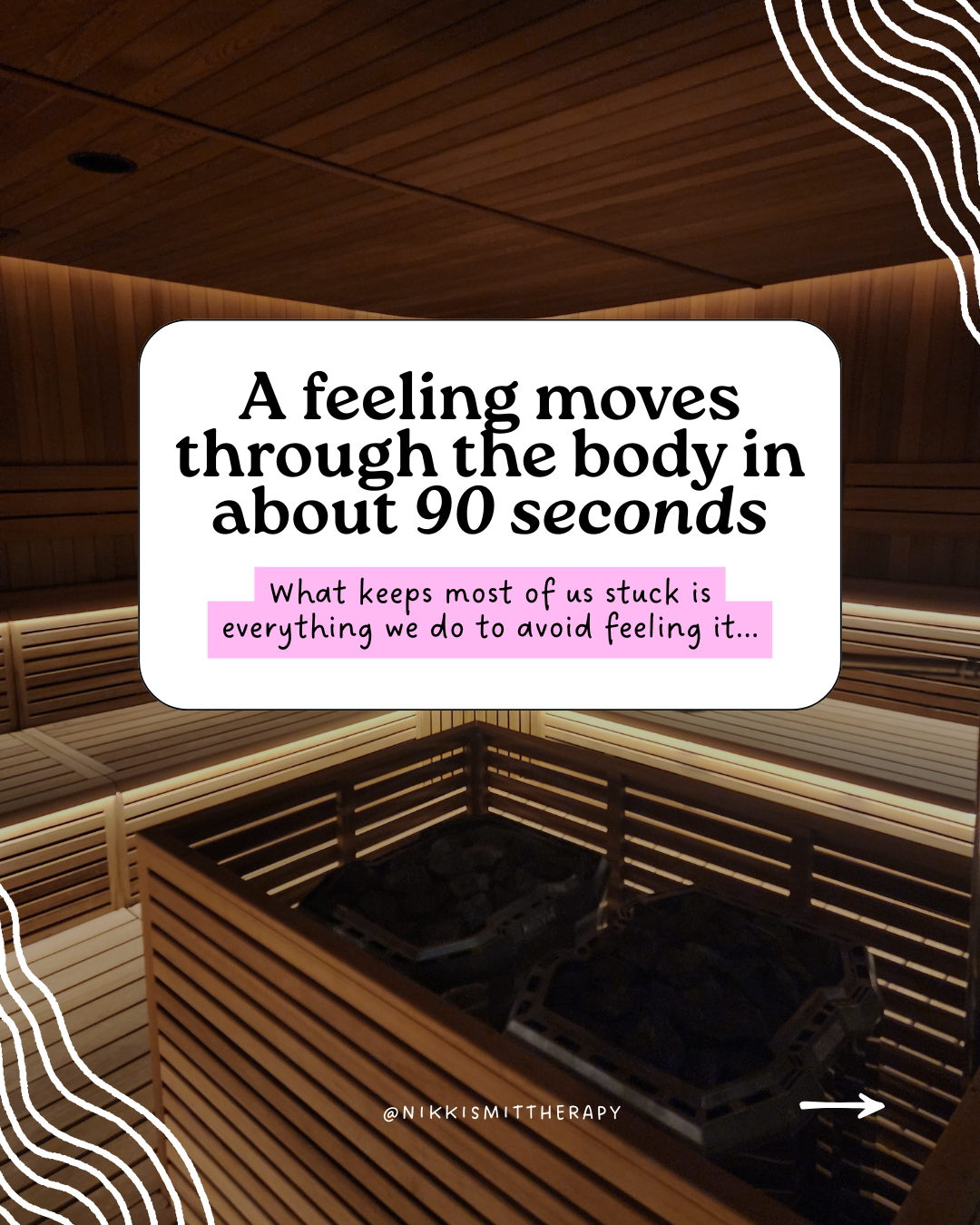
A feeling moves through the body in about ninety seconds. What keeps us stuck is everything we do to avoid it.
A feature interview tracing the path from community-based practice in South Africa to nervous system health, and why growth happens at the edge of capacity when there is enough support to meet it
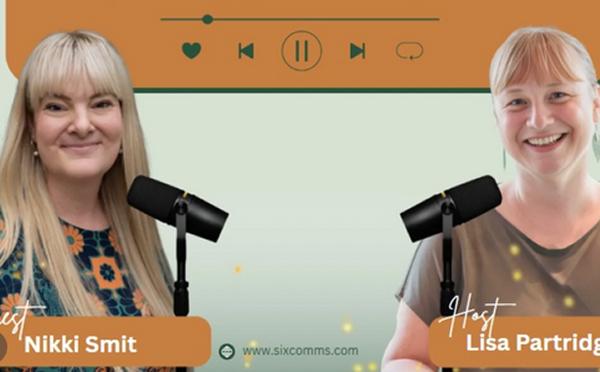
Practical strategies for creating environments where everyone, including neurodivergent individuals, can thrive. This includes understanding sensory needs, communication preferences, and the importance of a supportive community.
In conversation with Jennifer Norman on what neurodiversity really means, why wellbeing is the capacity to stay present rather than stay calm, and how curiosity makes room for compassion
Why being met is what allows a hard feeling to move at all, and how the pull to fix can land as dismissal when someone needs to feel felt first

Guiding Values
It's difficult to summarise my practice into words. Here I represent my north stars, principles and guiding tenets.
Nobody regulates alone. We’re built to survive, and belonging is part of how we do it. Between any two nervous systems there’s a space, and what happens there matters as much as what happens inside each of us. I work with the person, with the people around them, and with what I bring into the room myself.
Every response makes sense in context, even the ones we like least. I’d rather wonder what a response is for than decide what’s wrong with it. No judgement, no rush to fix. That’s where everything else starts.
Humans are layered, and the first thing we see is rarely the whole story. Most of us want neat sequences and hard-and-fast rules. I’ve come to believe that what matters most sits in the grey. I hold more than one truth at a time.
Every person has dignity, and the right to make choices about their own life, their own body and their own pace. Circumstances don’t always allow for that, and noticing when they don’t is part of the work. The rest is widening what someone can choose, including the choice to be exactly where they are right now.
Lived experience is knowledge. Mine shapes how I work as much as my training does, and yours matters more than any theory I could bring. You don’t need fixing, and you can keep growing for the rest of your life. Both are true.
Complex science belongs to everyone. I translate neuroscience and sensory research into language that is accurate, and then into something you can feel: the essence, the layers, the way it actually plays out in a life.
Get in touch
You can find me here